
We have all heard about the importance of having a routine. From childhood, much of our daily structure is created for us through caregivers, school schedules, and extra-curricular activities. These experiences shape the rhythm of our days and teach us the value of consistency.
As we grow older, routines become increasingly self-directed and autonomous. We develop work routines, sleep routines, exercise routines, and patterns within our friendships and relationships. These routines help organise our lives by reducing the number of decisions we need to make each day, conserving mental energy, and creating a sense of predictability and safety. In many ways, routines provide the framework that allows us to navigate daily life efficiently.
A routine can be thought of as the sequence of actions that make up our day, the “what” of our lives. It is the familiar pattern that offers comfort through its predictability. However, while routines are important, they are only part of the picture.
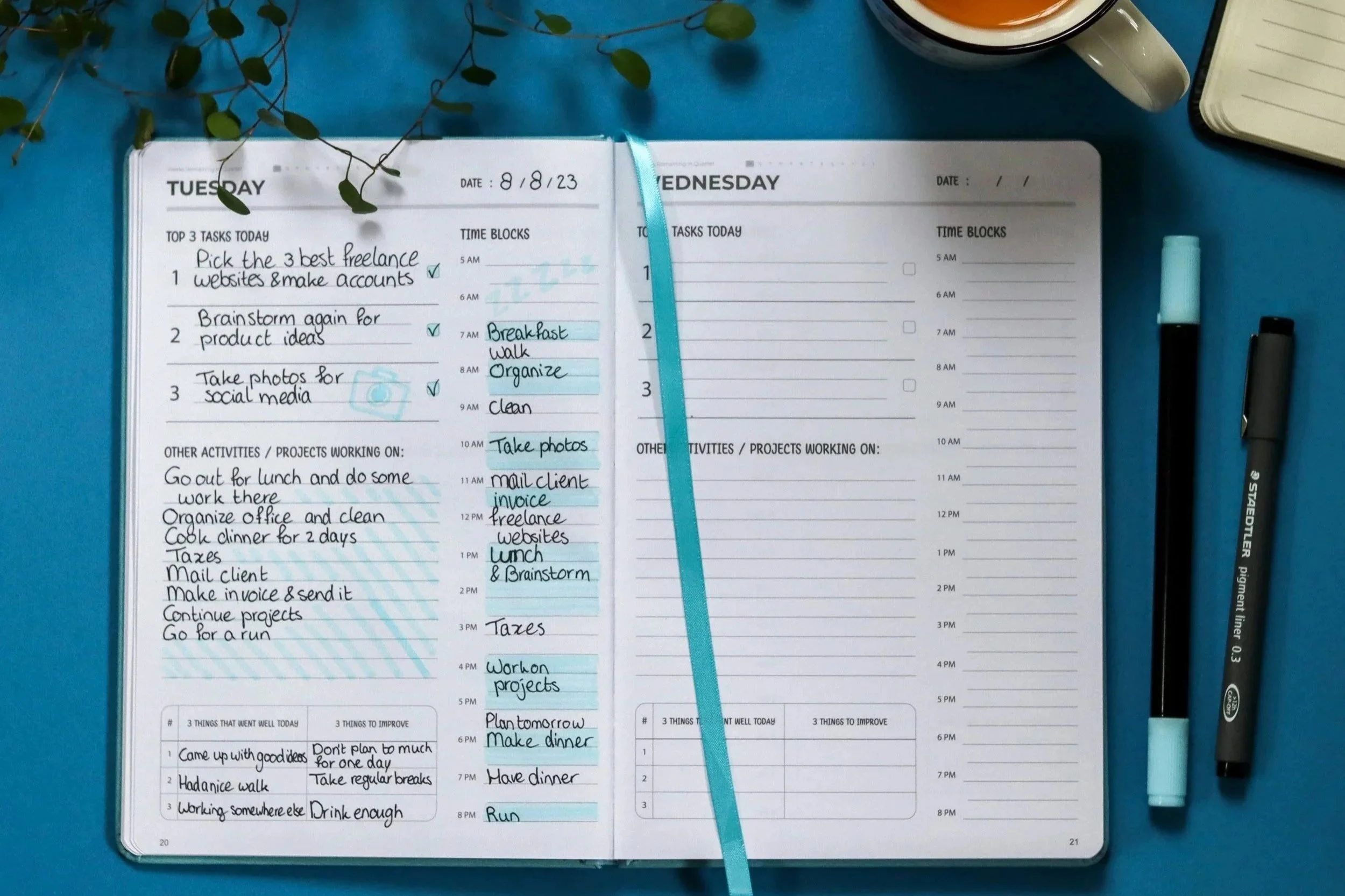
The Difference Between Routines and Rituals
For some people, routines can begin to feel repetitive or monotonous. This is where rituals become equally important. If routines are the “what”, think of rituals as the “why”. Rituals add meaning, purpose, and intention to our actions. They encourage us to engage mindfully with an experience rather than simply moving through it on autopilot. Unlike routines, which often focus on efficiency, rituals invite us to slow down, connect with the present moment, and engage our senses.
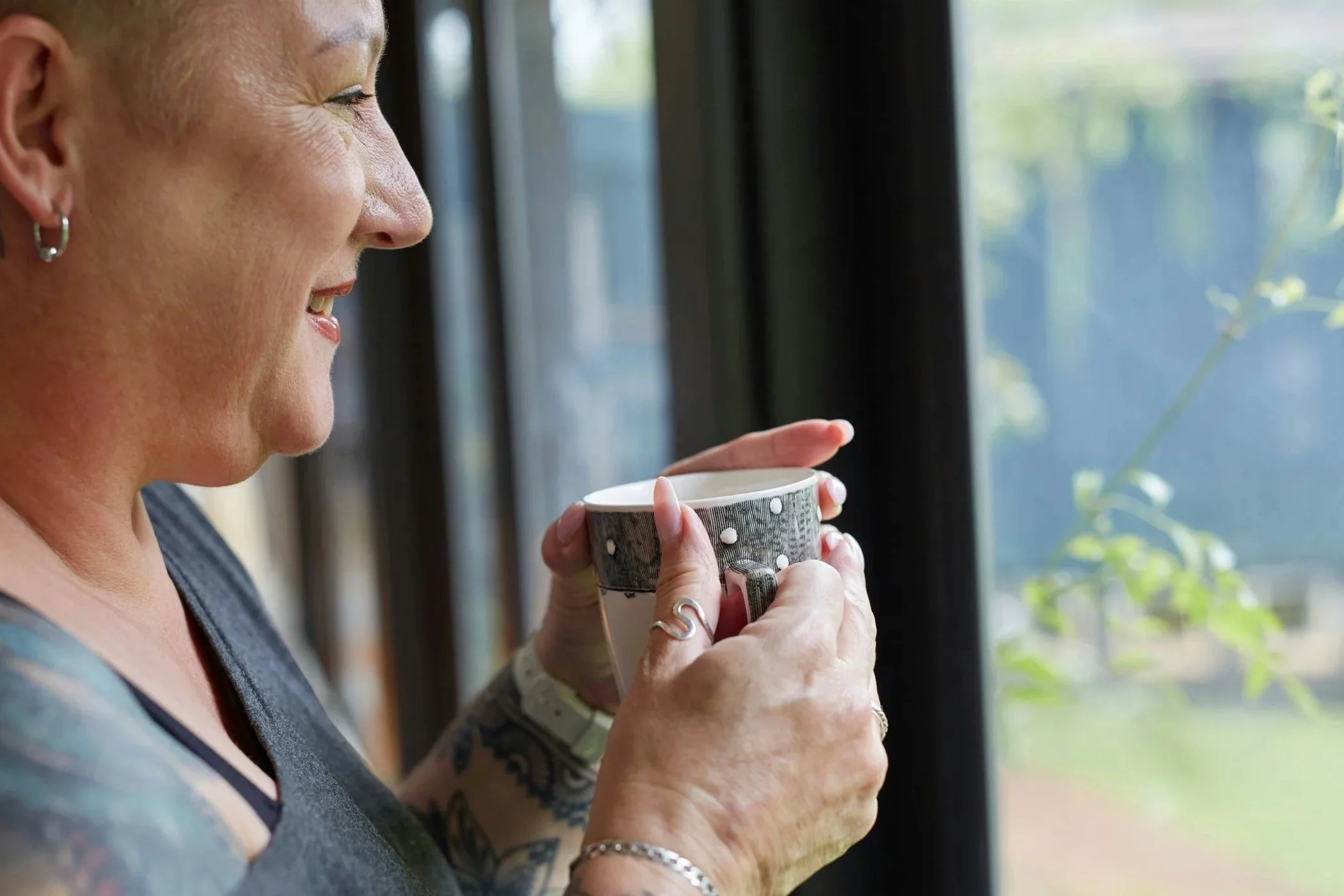
A morning coffee can be a routine, something we quickly consume before rushing out the door. Alternatively, it can become a ritual; taking a few moments to notice the warmth in our favourite mug, the smell of the coffee, and the opportunity to begin the day with gratitude and reflection. The behaviour may be identical, but the experience and emotion attached can be transformed through intention.
Why Rituals Matter for Mental Health
Research suggests that rituals can play an important role in psychological wellbeing by promoting mindfulness, emotional regulation, and a sense of control during periods of uncertainty (Hobson et al., 2018). In a world increasingly focused on productivity, efficiency, and constant stimulation, rituals provide permission to pause. They help anchor us in the present moment and can create a sense of stability when life feels unpredictable.
For individuals experiencing anxiety, rituals can serve as grounding practices that reconnect the mind and body. One example is the use of sensory grounding techniques involving temperature change. Splashing cold water on the face or holding an ice cube can activate the mammalian dive reflex, a physiological response that slows heart rate and promotes parasympathetic nervous system activation, helping the body move toward a calmer state (Porges, 2011).
While these strategies are often taught as coping skills, they can also become meaningful rituals; intentional practices that provide a sense of confidence, self-efficacy, and perceived control during moments of distress.
Rituals Create Connection
Rituals are not only beneficial for individuals; they are also powerful tools for strengthening relationships. Shared rituals help create a sense of belonging and foster emotional connection. Research has shown that family rituals and traditions contribute to family cohesion, identity, and resilience (Fiese et al., 2002). Similarly, rituals within romantic relationships can enhance intimacy, increase relationship satisfaction, and create opportunities for shared meaning. These rituals do not need to be complex. They could include:
A weekly family movie night
A monthly date night
A Sunday morning walk together
An annual camping trip
Celebrating milestones in a meaningful way
Sharing a meal without distractions (e.g., phone or TV)
Over time, these repeated experiences become part of a shared story. They create memories, strengthen bonds, and reinforce a sense of connection.
Finding the Balance
Rather than choosing between routines and rituals, the goal is to cultivate both. Think of routines as the ‘manager’ of your life. They help organise daily responsibilities, reduce mental load, and provide structure. Think of rituals as the ‘meaning-maker’. They transform ordinary moments into opportunities for presence, reflection, and connection.
One practical approach is to weave rituals into existing routines. Consider your morning routine of breakfast, coffee, or reading. Rather than moving through these tasks automatically, pause and bring awareness to the experience. Notice the sensory details, reflect on something you appreciate, or simply allow yourself to be fully present for a few moments.
The activity itself may not change, but the meaning attached to it can.
In a culture that often encourages us to move faster and do more, routines help us function, while rituals remind us why we are doing it in the first place.
References
Fiese, B. H., Tomcho, T. J., Douglas, M., Josephs, K., Poltrock, S., & Baker, T. (2002). A review of 50 years of research on naturally occurring family routines and rituals: Cause for celebration? Journal of Family Psychology, 16(4), 381–390. https://doi.org/10.1037/0893-3200.16.4.381
Hobson, N. M., Schroeder, J., Risen, J. L., Xygalatas, D., & Inzlicht, M. (2018). The psychology of rituals: An integrative review and process-based framework. Personality and Social Psychology Review, 22(3), 260–284. https://doi.org/10.1177/1088868317734944
Porges, S. W. (2011). The Polyvagal Theory: Neurophysiological foundations of emotions, attachment, communication, and self-regulation. W. W. Norton & Company.