
Why Is Everyone Talking About Psychedelic Therapy?
You may have noticed increasing discussion about psychedelic-assisted therapy as a new and sometimes misunderstood approach to mental health treatment. While it might sound unfamiliar or even confronting, this type of therapy is now being carefully researched and, in some cases, used in clinical settings, including here in Australia.
In fact, Australia is currently at the forefront of this emerging field. It is one of the first countries to allow the controlled clinical use of psychedelic-assisted therapy for specific, chronic mental health conditions
Since 2023, authorised psychiatrists have been permitted to prescribe:
Psilocybin for treatment-resistant depression
MDMA for post-traumatic stress disorder
These approvals are specifically for individuals experiencing chronic, treatment-resistant conditions where other interventions have not been effective. This is tightly regulated, and access is still limited. These treatments are only available in approved clinical environments, delivered by trained professionals under strict guidelines.
If you haven’t found relief through traditional treatments, this approach may offer a different pathway forward. But what does it actually involve, how does it work, and could it be right for you?

What is Psychedelic-Assisted Therapy?
Psychedelic-assisted therapy is a form of psychotherapy that involves the carefully supervised use of substances such as psilocybin or MDMA, combined with professional therapeutic support (Mind Medicine Australia, 2024).
It is very different from recreational use. Sessions take place in safe, controlled environments, with trained clinicians guiding the process.
The key idea is that the medication can help us to access thoughts, emotions, and perspectives that may be harder to reach in regular therapy. The therapist then helps us make sense of these experiences and integrate them into meaningful change.
The Three Phases of Treatment
Phase 1: Preparation
This stage focuses on building safety and readiness, both practically and emotionally.
You’ll work with a therapist to:
Talk through your history and current challenges
Set intentions for the therapy
Understand what the experience might feel like
Build a sense of safety and trust
This step is essential to ensure you feel grounded and supported going into the experience.
Phase 2: Dosing Sessions
This is the session where the medicine is administered in a safe and controlled setting.
You’ll typically be in a calm, quiet space, with trained therapists present throughout. Many people are encouraged to focus inward, sometimes with the help of music or eyeshades while the experience unfolds.
People often describe:
Seeing things from a new perspective
Feeling more open emotionally
Accessing memories or feelings that were previously hard to reach
Some experiences can feel intense at times, but therapists are there to support you through it.
Phase 3: Integration
After the dosing session, the focus shifts to making sense of the experience.
In integration sessions, you’ll work with your therapist to:
Reflect on what came up
Understand any insights or emotional shifts
Apply these insights to your everyday life
This step is crucial. Without it, even powerful experiences may not lead to lasting change.
How Does It Work?
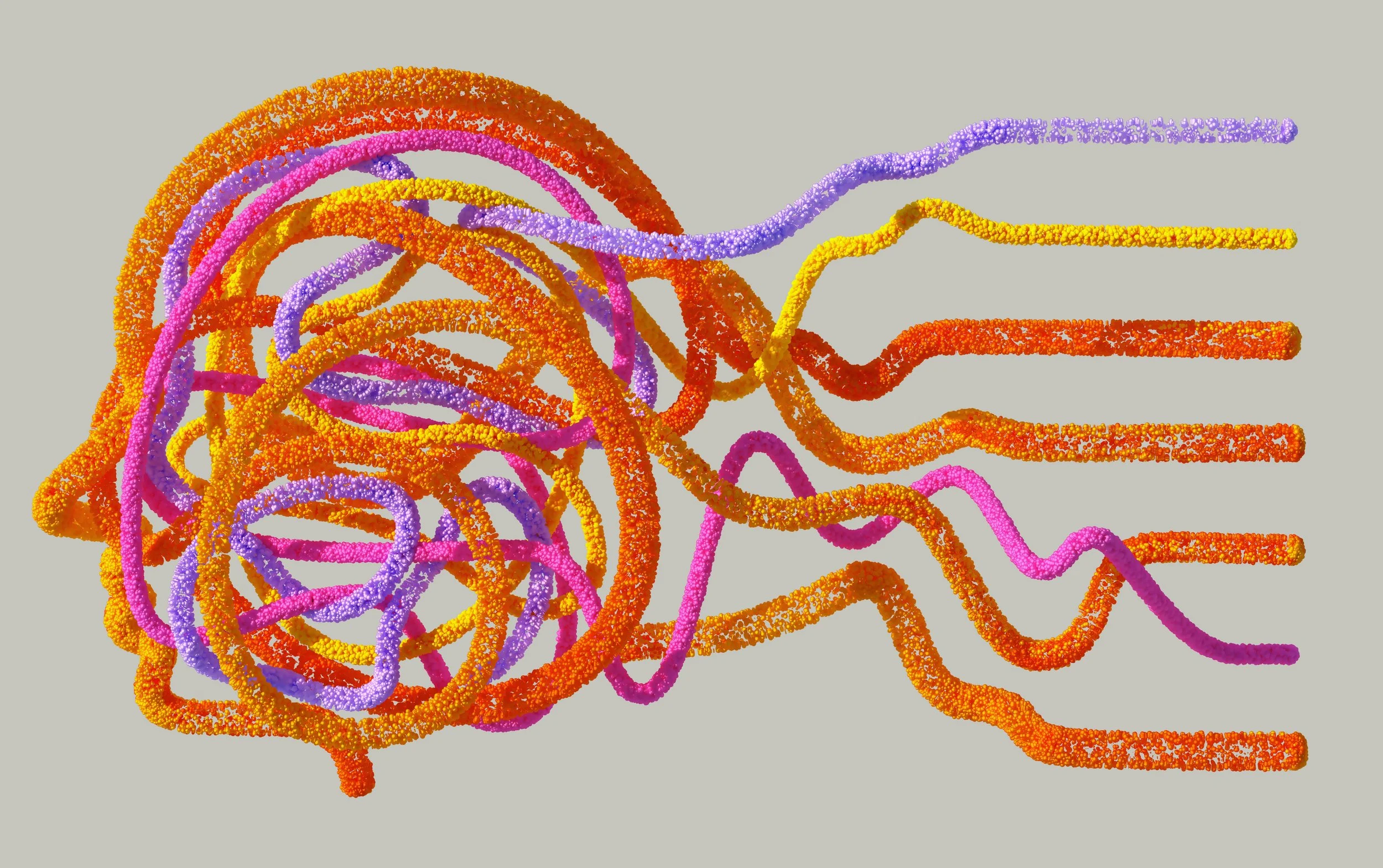
Psychedelic-assisted therapy appears to work by helping the brain to increase its flexibility. In conditions like depression or if we have experienced trauma, often we may experience rigid patterns of thinking and feeling. In schema therapy terms, these can be understood as deeply ingrained schemas or mode – longstanding patterns that shape how we interpret ourselves, others, and the world.
Psychedelic substances may help to ‘loosen’ these patterns. One way this happens is through changes in brain activity, particularly in the default mode network (DMN), which is a system involved in self-referential thinking, rumination, and our sense of identity.
In depression, the DMN is often overactive, contributing to repetitive negative thinking. Psychedelics appear to temporarily reduce this activity, allowing for:
Less rigid self-narratives
Greater cognitive and emotional flexibility
New ways of understanding past experiences
This may create a window where entrenched schemas feel less fixed, making it easier to explore and shift them in therapy. MDMA appears to work somewhat differently, which is why it is particularly suited to PTSD. Research suggests it can:
Reduce activity in the brain’s fear centre (the amygdala)
Increase feelings of safety, trust, and emotional openness, including in the therapy process
This combination allows people to revisit traumatic memories without becoming overwhelmed, supporting more effective processing of trauma. In simple terms, it may help individuals face difficult experiences with less fear and more emotional support.
Together, these effects can help people move from avoidance toward active processing and integration of difficult experiences (Schenberg, 2018).
What Does the Research Say?
Research into psychedelic-assisted therapy is still growing, but early findings are promising. A large review of studies found that this type of therapy can lead to significant improvements in mental health symptoms, especially for depression, anxiety, and trauma (Luoma et al., 2020). In studies involving people with serious illness, around 60–80% of participants experienced significant improvements, and many reached remission, where symptoms became minimal (Ross et al., 2016; Griffiths et al., 2016).
What’s especially notable is that these changes often:
Happened quickly after treatment
Lasted for several months or longer
Studies on MDMA-assisted therapy for PTSD have found similar results, with many participants no longer meeting criteria for PTSD after treatment (Jerome et al., 2020). It is important to note that these outcomes are based on therapy combined with medication — not the medicine alone.
Risks and Considerations
While promising, this therapy isn’t suitable for everyone. Some important considerations include:
The experience can feel intense or emotionally challenging
Careful screening is needed to ensure safety
Access can be limited and costly
Research is still ongoing
When delivered in clinical settings, studies suggest side effects are usually short-term and manageable, especially with adequate preparation and support (Colcott et al., 2024).
Final Thoughts
Psychedelic-assisted therapy offers a different way of approaching mental health – one that focuses on deeper understanding and change, rather than just managing symptoms.
It’s not a quick fix, and it’s not appropriate for everyone. However, for some individuals, especially those who haven’t found relief through other treatments, it may offer a meaningful new option.
As research continues, we are likely to better understand who benefist most, and how to deliver these treatments safely and effectively.
Interested in Learning More?
If you’d like to learn more about psychedelic-assisted therapy in Australia, Mind Medicine Australia provides education, training, and resources for both clinicians and the public. They are a leading organisation supporting the safe and evidence-based use of these therapies.
References
Carhart-Harris, R. L., Bolstridge, M., Rucker, J., Day, C. M. J., Erritzoe, D., Kaelen, M., … Nutt, D. J. (2016). Psilocybin with psychological support for treatment-resistant depression: An open-label feasibility study. The Lancet Psychiatry, 3(7), 619–627.
Colcott, J., Guerin, A. A., Carter, O., Meikle, S., & Bedi, G. (2024). Side-effects of MDMA-assisted psychotherapy: A systematic review and meta-analysis. Neuropsychopharmacology.
Griffiths, R. R., Johnson, M. W., Carducci, M. A., Umbricht, A., Richards, W. A., Richards, B. D., … Klinedinst, M. A. (2016). Psilocybin produces substantial and sustained decreases in depression and anxiety in patients with life-threatening cancer: A randomized double-blind trial. Journal of Psychopharmacology, 30(12), 1181–1197.
Jerome, L., Feduccia, A. A., Wang, J. B., Hamilton, S., Yazar-Klosinski, B., Emerson, A., … Doblin, R. (2020). Long-term follow-up outcomes of MDMA-assisted psychotherapy for treatment of PTSD: A longitudinal pooled analysis of six phase 2 trials. Psychopharmacology, 237, 2485–2497.
Luoma, J. B., Chwyl, C., Bathje, G. J., Davis, A. K., & Lancelotta, R. (2020). A meta-analysis of placebo-controlled trials of psychedelic-assisted therapy. Journal of Psychoactive Drugs, 52(4), 289–299.
Mind Medicine Australia. (2024). What is psychedelic-assisted therapy? Retrieved from https://mindmedicineaustralia.org.au/what-is-psychedelic-assisted-therapy/
Schenberg, E. E. S. (2018). Psychedelic-assisted psychotherapy: A paradigm shift in psychiatric research and development. Frontiers in Pharmacology, 9, 733.
Therapeutic Goods Administration. (2023). Scheduling of psilocybin and MDMA for therapeutic use. Australian Government Department of Health and Aged Care.