
Schema Therapy at STIA
What Is Schema Therapy?
Schema Therapy helps people understand and change deeply rooted beliefs about themselves, others, and relationships that drive persistent emotional pain and coping strategies. These coping strategies may once have felt protective, but over time they can maintain an individual's difficulties. Schema Therapy integrates cognitive, behavioural, attachment-based, and experiential techniques to treat long-standing and complex difficulties. While it sits within the broader cognitive behavioural tradition, it differs from traditional CBT by focusing more deeply on early life experiences, core emotional needs, and relational patterns.
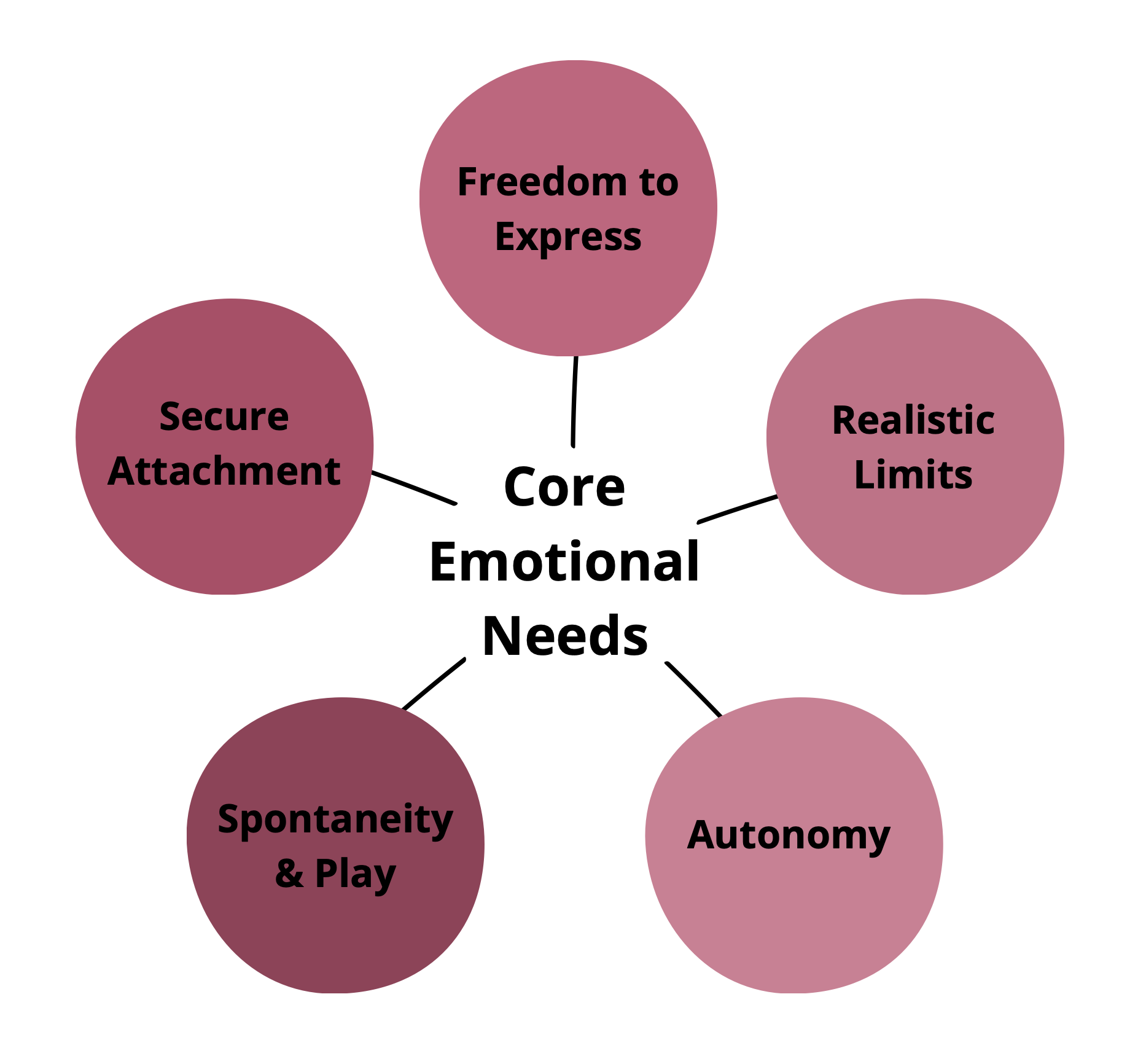
It was developed to address persistent concerns such as chronic anxiety or depression, relationship difficulties, trauma responses, personality vulnerabilities, and emotional regulation challenges. A central focus of Schema Therapy is understanding core emotional needs — how they were met (or not met) in childhood, and how this shapes patterns that continue into adulthood. Therapy supports you to meet these needs in healthier, more adaptive ways.
How Early Needs Shape Patterns: An Example
One of our core emotional needs is for consistent care, emotional connection, and reassurance.
If, during childhood, a person experienced emotional distance, unpredictability, or loss, they may develop what Schema Therapy calls an Emotional Deprivation schema or an Abandonment schema. This can lead to deeply held beliefs such as:
“My needs don’t really matter.”
“People will eventually leave.”
As an adult, this may show up in patterns such as:
Feeling chronically lonely, even in relationships
Becoming anxious or fearful when someone pulls away
Choosing emotionally unavailable partners
Avoiding closeness altogether to prevent being hurt
Although these responses may once have been protective, they can continue to create distress later in life. Schema Therapy helps you understand where these patterns began and supports you to develop healthier ways of meeting your emotional needs.
Who Can Schema Therapy Help?
Schema Therapy may be particularly helpful if:
You have tried other therapies and experienced some relief, but the same problems keep returning
You struggle with long-standing anxiety or depression
You experience ongoing relationship difficulties
You find it difficult to regulate your emotions
You feel stuck in patterns you don’t fully understand
How Schema Therapy Works at STIA
At STIA, we begin with a thorough clinical assessment to understand how your difficulties relate to particular schemas and “modes” — long-standing patterns that influence how you think, feel, and relate to others.
Therapy may include:
Assessment and exploration of schemas and modes
Understanding the link between early experiences and present patterns
Cognitive, emotional, behavioural, and interpersonal strategies
Experiential techniques such as imagery rescripting
A strong focus on the therapeutic relationship to better understand relational patterns
Our approach is structured, collaborative, and tailored to your individual needs.
What to Expect in Sessions
Sessions typically run for 50–60 minutes
Therapy is collaborative and paced according to your readiness and goals
We work together to set clear goals and monitor progress
Schema Therapy is available both in person and via secure telehealth
Evidence & Effectiveness
Schema Therapy has a strong and growing evidence base, particularly for complex and long-standing mental health difficulties. It is widely recognised as an effective treatment for personality disorders and chronic mood and relational difficulties.
Further information about the research supporting Schema Therapy can be found on our research page.
Why Choose STIA?
An experienced multidisciplinary team trained in Schema Therapy
A strong commitment to the scientist-practitioner model
Integration with other evidence-based modalities where helpful
Personalised care focused on meaningful, long-term change
Book you first Schema Therapy Session
Call (03) 9331 2878
Or
Frequently Asked Questions
-
CBT (Cognitive Behavioural Therapy) focuses on identifying and changing current unhelpful thoughts and behaviours. Schema Therapy goes deeper by exploring long-standing emotional patterns that often began in childhood and continue to shape self-beliefs, coping styles, and relationships. It integrates CBT techniques with attachment and experiential approaches to support deeper and longer-term change.
-
Schema Therapy is often a medium- to longer-term therapy, particularly for complex or long-standing patterns. Some people attend for several months, while others may engage for a year or more. The duration depends on your goals, the nature of the difficulties, and the pace that feels appropriate for you.
-
Yes but not exclusive to personality disorders. Schema Therapy has a strong evidence base for personality disorders, particularly borderline personality disorder, as well as other complex and chronic presentations. It is specifically designed to address deeply rooted emotional and relational patterns.
-
You are welcome to self-refer by contacting our clinic directly. A GP referral and Mental Health Treatment Plan is required if you wish to access Medicare rebates. Our team can guide you through this process. NDIS referrals are also welcome.
-
Yes. Schema Therapy can be delivered effectively via secure telehealth. Many clients find online sessions flexible and accessible. Our clinicians provide Schema Therapy both in person and via telehealth, and we will discuss with you which format best suits your needs.